

Contents
- 1 Introduction
- 2 What Are Foods and Why Are They Important?
- 3 Main Types of Foods
- 4 Healthy Foods for Daily Life
- 5 Foods for a Balanced Diet
- 6 Popular Foods Around the World
- 7 Foods for Weight Management
- 8 Foods to Avoid or Limit
- 9 Foods for Children and Families
- 10 Foods and Mental Health
- 11 How to Choose the Right Foods
- 12 Future Trends in Foods
- 13 Conclusion
- 14 FAQs
Introduction
Food is more than just fuel for the body—it shapes our health, mood, energy, and lifestyle. Choosing the right foods can improve digestion, boost immunity, and help maintain a balanced life. In today’s fast-paced world, understanding healthy foods, everyday meals, and nutritious food choices has become more important than ever.
This guide covers everything you need to know about foods in a simple, practical, and SEO-friendly way.
What Are Foods and Why Are They Important?
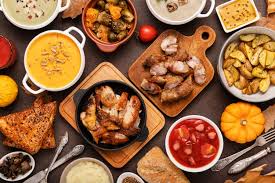
Foods are substances we eat or drink to provide nutrition to our body. They supply energy, support growth, repair tissues, and regulate body functions.
Key Benefits of Eating the Right Foods
-
Provides energy for daily activities
-
Strengthens the immune system
-
Improves brain function and focus
-
Helps maintain a healthy weight
-
Reduces the risk of chronic diseases
Eating balanced foods daily is the foundation of a healthy lifestyle.
Main Types of Foods
Foods are generally divided into major categories based on their nutritional value.
1. Whole Foods
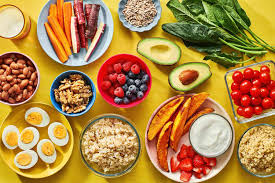
Whole foods are natural and minimally processed.
Examples:
-
Fruits and vegetables
-
Whole grains
-
Nuts and seeds
-
Fresh meat and fish
Why whole foods matter:
They are rich in vitamins, minerals, and fiber, making them ideal for long-term health.
2. Processed Foods
Processed foods are altered for convenience or longer shelf life.
Examples:
-
Canned foods
-
Packaged snacks
-
Frozen meals
While not all processed foods are bad, excessive consumption may lead to health issues due to added sugar, salt, and preservatives.
3. Organic Foods
Organic foods are grown without synthetic chemicals or pesticides.
Benefits of organic foods:
-
Fewer chemicals
-
Better for the environment
-
Often richer in nutrients
Organic food is especially popular among health-conscious consumers.
Healthy Foods for Daily Life
Including healthy foods in your daily meals can improve overall well-being.
Fruits and Vegetables
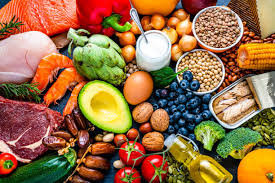
Fruits and vegetables are essential for vitamins, antioxidants, and fiber.
Top healthy choices:
-
Apples, bananas, oranges
-
Spinach, carrots, broccoli
-
Tomatoes, cucumbers
Try to eat at least 5 servings daily for optimal health.
Whole Grains
Whole grains provide long-lasting energy.
Examples:
-
Brown rice
-
Oats
-
Whole wheat bread
-
Quinoa
They support digestion and help control blood sugar levels.
Protein-Rich Foods
Proteins are necessary for muscle growth and repair.
Best protein foods:
-
Eggs
-
Chicken breast
-
Fish
-
Beans and lentils
-
Yogurt
A balanced diet always includes sufficient protein.
Foods for a Balanced Diet
A balanced diet means eating foods from all major groups in the right amounts.

Macronutrients
-
Carbohydrates: Main energy source
-
Proteins: Build and repair body tissues
-
Fats: Support brain health and hormone production
Healthy fats like olive oil, nuts, and avocados are better than trans fats.
Micronutrients
Vitamins and minerals are needed in small amounts but are crucial.
Important micronutrients:
-
Vitamin C (immunity)
-
Vitamin D (bones)
-
Iron (blood health)
-
Calcium (teeth and bones)
Popular Foods Around the World
Different cultures enjoy different foods, but nutrition remains universal.
Asian Foods
-
Rice-based meals
-
Stir-fried vegetables
-
Spices and herbs
Asian foods are often light, flavorful, and nutritious.
Western Foods
-
Bread and pasta
-
Grilled meats
-
Dairy products
Balance is key, as some Western foods are high in calories.
Traditional Foods
Traditional foods are deeply connected to culture and history.
Benefits:
-
Made with local ingredients
-
Often more nutritious
-
Less processed
-
Foods for Weight Management
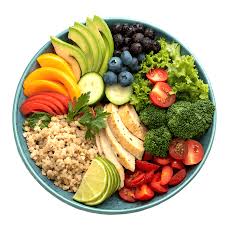
Choosing the right foods can help maintain or lose weight.
-
Foods for Weight Management -
Low-Calorie Foods
-
Leafy greens
-
Soups
-
Fruits with high water content
These foods keep you full without extra calories.
High-Fiber Foods
Fiber helps control hunger and digestion.
Examples:
-
Oats
-
Beans
-
Vegetables
-
Whole grains
-
Foods to Avoid or Limit
Not all foods support good health.
Unhealthy Foods
-
Sugary drinks
-
Fast food
-
Deep-fried snacks
-
Processed sweets
Eating them occasionally is fine, but regular consumption can lead to health problems.
Foods for Children and Families
Children need nutrient-rich foods for growth.
-
-

Foods for Children and Families -
Best foods for kids:
-
Milk and dairy
-
Eggs
-
Fruits and vegetables
-
Homemade meals
Family meals encourage healthier eating habits.
Foods and Mental Health
Food also affects mood and mental clarity.
Brain-Boosting Foods
-
Fatty fish
-
Nuts and seeds
-
Dark chocolate
-
Berries
These foods support brain function and reduce stress.
-
How to Choose the Right Foods
Smart food choices start at the grocery store.
Tips for Choosing Healthy Foods
-
Read nutrition labels
-
Avoid high sugar content
-
Choose fresh over packaged
-
Cook at home more often
Planning meals in advance also helps maintain a healthy diet.
Future Trends in Foods
The food industry is constantly evolving.
Popular Food Trends
-
Plant-based foods
-
Vegan alternatives
-
Functional foods
-
Sustainable eating
These trends focus on health, ethics, and the environment.
Conclusion
Foods play a vital role in shaping our health and lifestyle. By choosing healthy foods, balancing nutrients, and limiting unhealthy options, you can enjoy better energy, improved immunity, and long-term wellness. Whether you are cooking at home or eating out, smart food choices lead to a healthier and happier life.
FAQs
1. What are the healthiest foods to eat daily?
Fruits, vegetables, whole grains, lean proteins, and healthy fats are ideal for daily consumption.
2. Are processed foods always bad?
Not always. Some processed foods are healthy, but highly processed foods with added sugar and salt should be limited.
3. How can I start eating healthier foods?
Start by adding more fruits and vegetables, drinking water, cooking at home, and reducing junk food intake.
-
-
