

Contents
- 1 Introduction
- 2 Types of Agriculture
- 3 Major Components of Agriculture
- 4 Modern Agriculture and Technology
- 5 Role of Agriculture in the Economy
- 6 Sustainable Agriculture: A Need for the Future
- 7 Challenges Facing Agriculture Today
- 8 Solutions to Improve Agricultural Productivity
- 9 Future of Agriculture
- 10 Conclusion
- 11
Introduction
Agriculture: The Backbone of Food, Economy, and Sustainable Living Agriculture is the foundation of human civilization. From producing food to supporting economies and creating jobs, agriculture plays a vital role in our daily lives. Even in today’s modern world, where technology is advancing rapidly, agriculture remains the backbone of food security and sustainable development. This article explores the importance of agriculture, its types, modern practices, challenges, and future opportunities in a clear and easy-to-understand way.
What Is Agriculture?
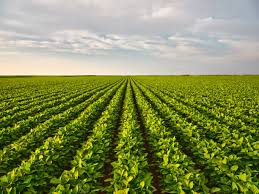
Agriculture is the practice of cultivating crops, raising animals, and managing natural resources to produce food, fiber, and other essential products. It includes activities such as farming, livestock rearing, fisheries, forestry, and dairy production.
Why Agriculture Is Important
Agriculture is important because it:
-
Provides food for the growing global population
-
Creates employment opportunities
-
Supports national and rural economies
-
Supplies raw materials to industries
-
Helps maintain environmental balance
Without agriculture, human survival would not be possible.
Types of Agriculture
There are different types of agriculture practiced around the world based on climate, land availability, and technology.
1. Subsistence Agriculture
Subsistence agriculture is practiced mainly by small farmers. Crops are grown primarily for family consumption rather than for sale. This type of agriculture is common in developing countries.
2. Commercial Agriculture
Commercial agriculture focuses on producing crops and livestock for market sale. It uses modern tools, machinery, and improved seeds to achieve higher yields.
3. Organic Agriculture
Organic agriculture avoids the use of chemical fertilizers and pesticides. It relies on natural methods like composting, crop rotation, and biological pest control.
4. Mixed Farming
Mixed farming combines crop production and livestock rearing on the same farm. This method helps farmers reduce risk and use resources efficiently.
Major Components of Agriculture
Agriculture consists of several important components that work together.
Crop Production
Crop farming includes growing cereals, vegetables, fruits, and cash crops such as wheat, rice, maize, cotton, and sugarcane.
Livestock Farming
Livestock farming involves raising animals such as cows, goats, sheep, poultry, and buffalo for meat, milk, eggs, and wool.
Fisheries and Aquaculture
Fisheries provide fish and seafood from oceans, rivers, and ponds. Aquaculture focuses on fish farming under controlled conditions.
Forestry
Forestry involves managing forests for timber, fuel, paper, and environmental protection.
Modern Agriculture and Technology
Modern agriculture has changed farming methods significantly. Technology has made farming more efficient, productive, and sustainable.
Mechanization in Agriculture
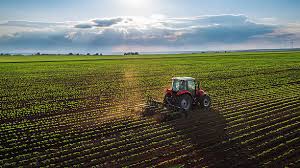
Machines such as tractors, harvesters, and seed drills reduce labor and save time. Mechanization increases productivity and lowers farming costs.
Use of Improved Seeds
High-yield and disease-resistant seeds help farmers grow more food on less land. Hybrid and genetically improved seeds are widely used today.
Smart Farming and Precision Agriculture
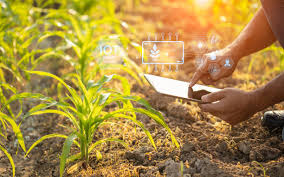
Smart farming uses technology like GPS, sensors, and drones to monitor crops and soil conditions. Precision agriculture helps farmers apply water and fertilizers accurately, reducing waste.
Digital Agriculture
Mobile apps and online platforms provide farmers with weather updates, market prices, and farming advice, improving decision-making.
Role of Agriculture in the Economy
Agriculture contributes significantly to national and global economies.
Employment Generation
Millions of people depend on agriculture for their livelihood, especially in rural areas. It provides direct and indirect employment.
Contribution to GDP
In many developing countries, agriculture contributes a large share to the Gross Domestic Product (GDP).
Support for Industries
Agriculture supplies raw materials to industries such as textiles, food processing, pharmaceuticals, and biofuels.
Sustainable Agriculture: A Need for the Future
Sustainable agriculture focuses on meeting present food needs without harming future generations.
Key Principles of Sustainable Agriculture
-
Efficient use of water and soil
-
Conservation of natural resources
-
Reduced use of chemicals
-
Protection of biodiversity
-
Climate-friendly farming practices
Benefits of Sustainable Farming
Sustainable agriculture improves soil health, reduces pollution, lowers costs, and ensures long-term food security.
Challenges Facing Agriculture Today
Despite its importance, agriculture faces several serious challenges.
Climate Change
Unpredictable weather, droughts, floods, and rising temperatures affect crop yields and food production.
Water Scarcity
Agriculture uses a large amount of freshwater. Water shortages threaten farming in many regions.
Soil Degradation
Overuse of chemicals and poor farming practices reduce soil fertility and productivity.
Pest and Disease Attacks
Crop pests and diseases cause heavy losses, especially for small farmers.
Solutions to Improve Agricultural Productivity
To overcome challenges, smart solutions are required.
Better Irrigation Systems
Drip and sprinkler irrigation save water and improve crop growth.
Farmer Education and Training
Training farmers in modern techniques improves yields and income.
Government Support
Subsidies, crop insurance, and fair market prices help farmers manage risks.
Research and Innovation
Investment in agricultural research leads to improved seeds, tools, and sustainable practices.
Future of Agriculture
The future of agriculture depends on innovation, sustainability, and technology.
Climate-Smart Agriculture
Climate-smart agriculture focuses on adapting farming practices to climate change while reducing greenhouse gas emissions.
Vertical Farming
Vertical farming grows crops in layers using less land and water, making it ideal for urban areas.
Artificial Intelligence in Farming
AI helps predict weather patterns, detect diseases, and optimize crop management.
Conclusion
Agriculture is more than just farming; it is the foundation of food security, economic growth, and sustainable development. As the global population increases, the demand for food will continue to rise. By adopting modern technology, sustainable practices, and supportive policies, agriculture can meet future challenges successfully. Investing in agriculture means investing in a healthier, more secure future for everyone.
Frequently Asked Questions (FAQs)
FAQ 1: Why is agriculture important?
Agriculture is important because it provides food, creates jobs, supports economies, and ensures food security.
FAQ 2: What is sustainable agriculture?
Sustainable agriculture is farming that protects the environment, uses resources wisely, and supports future generations.
FAQ 3: How does technology help agriculture?
Technology improves productivity, reduces costs, saves resources, and helps farmers make better decisions.
